

Elevate Your Product Development with Precision Prototyping by FMS
Prototyping is a critical milestone in modern product development and mold manufacturing. While 3D printing continues to evolve, traditional rapid prototyping remains irreplaceable for verifying toolability, tolerances, and real-world manufacturability.
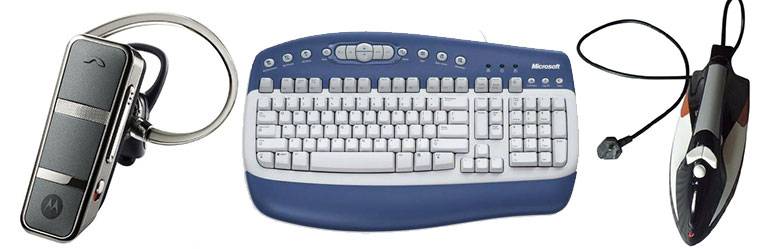 At FMS, we bridge the gap between design and production. We deliver cost-effective, high-precision prototyping services tailored for your new products and molds. Our commitment is simple: uncompromised quality, professional efficiency, and transparent collaboration.Our Core Capabilities:
• Design & Modeling: Conceptual models and fully detailed 3D component modeling.
• Advanced Rapid Prototyping: High-fidelity SLA, SLS (Selective Laser Sintering), and FDM 3D printing.
• Fit & Function Analysis: Engineering-grade prototypes to test form, fit, and operational performance before mass production.
Partner with FMS to accelerate your time-to-market without compromising your budget.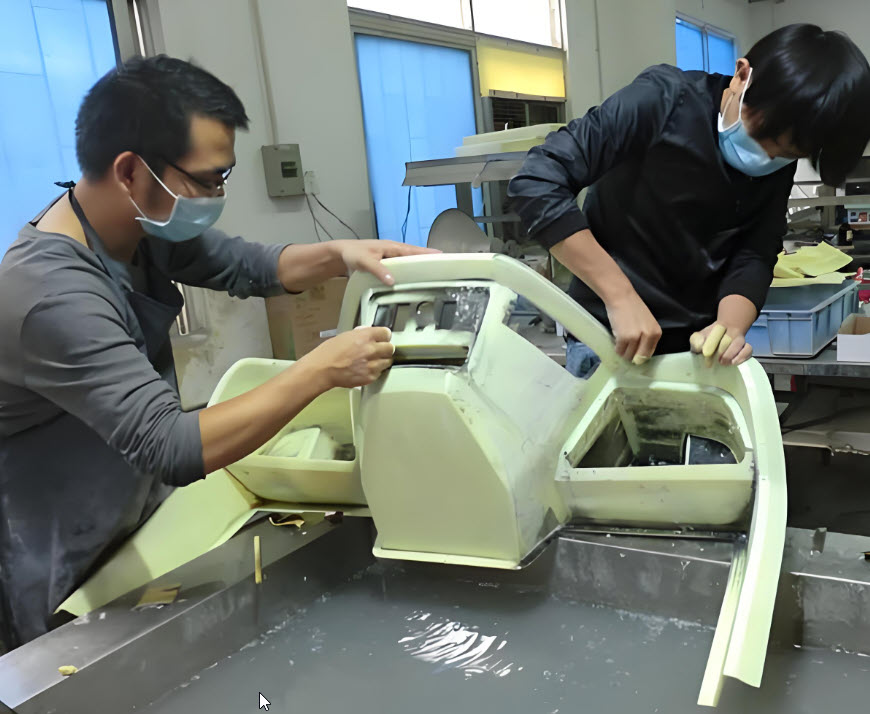
Transforming Vision into Reality: Advanced Prototype Manufacturing
Prototype manufacturing is the critical bridge between digital industrial design and market success. By transforming complex 3D CAD models into functional, tangible products, we enable real-world testing, immediate assessment, and flawless design validation long before mass production begins.
Utilizing a seamlessly integrated ecosystem—combining cutting-edge CNC machining, laser technology, automated CAD/CAM workflows, and advanced materials—we deliver a comprehensive from-part-to-prototype solution. Today, as we harness the full potential of next-generation 3D printing and additive manufacturing, we aren’t just adapting to industrial evolution; we are actively accelerating your product R&D and redefining what’s possible in making.
Industrial-Grade 3D Printing & Additive Manufacturing Services
Accelerate your product development and scale production with our end-to-end 3D printing services. We partner with designers and engineers worldwide to deliver high-performance prototypes, custom tooling, manufacturing aids, and flight-ready or end-use parts.
Leveraging state-of-the-art additive manufacturing technologies and deep material expertise, our team meets the most stringent industry standards—delivering exceptional precision, cost-efficiency, and fast turnaround times. No matter the complexity, we provide the technical expertise to bring your designs to life.
How It Works:
1. Submit Your Design: Upload your 3D CAD models via email for a secure project review.
2. Select Materials: Choose from a wide range of high-performance polymers, resins, or metals.
3. Precision Manufacturing: Our experts optimize and print your parts using advanced additive systems.
4. Quality Inspection & Delivery: Receive production-grade parts, thoroughly inspected and shipped directly to your facility.
3D Printing Service Technologies:
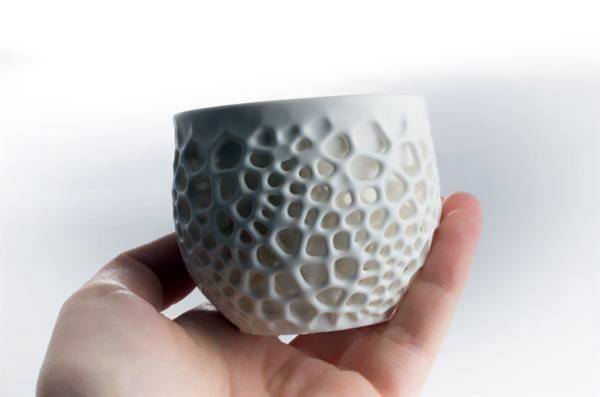 1) SLA
Stereolithography (also known as SL or SLA) builds parts layer-by-layer using a UV laser to solidify liquid photopolymer resins. It is commonly used to produce concept models, master patterns, large prototypes and investment casting patterns.
Advantages
SLA is a good general-purpose additive process for a wide range of applications. Models and prototypes are rigid, strong and durable
2) Multi Jet Fusion (MJF)
Multi Jet Fusion is a durable technology which produces medium-quality surface finish, which is ideal for high-complexity with medium accuracy and can be used for short production runs.
Advantages
MJF is ideal for enclosures, electronics housings, ducts, lattice structures, and functional assemblies. Suitable for applications that require durability such as snap fits.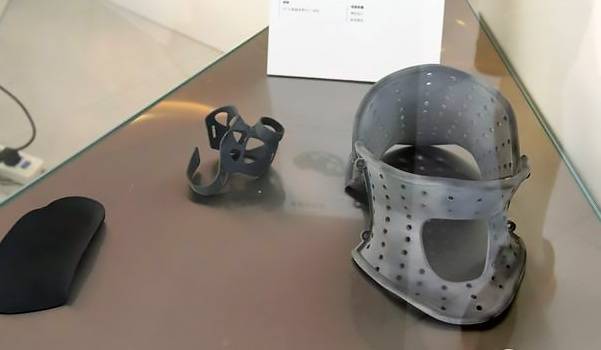
3) PolyJet
The PolyJet rapid prototyping process uses high resolution ink-jet technology combined with UV curable materials to quickly and economically produce highly detailed and accurate physical prototypes.
Advantages
High accuracy, superior surface finish, and wide selection of rigid and soft (rubber-like) materials to choose from. Build multiple materials and colours in a single part.
4) FDM
Fused Deposition Modeling (FDM) creates parts layer-by-layer with engineering-grade thermoplastics. Ideal for functional parts, including prototypes, low-volume production, manufacturing aids, jigs and fixtures.
Advantages
The FDM process uses the same types of raw materials used in the injection molding process. This technology includes use of support material to create create complex parts and assemblies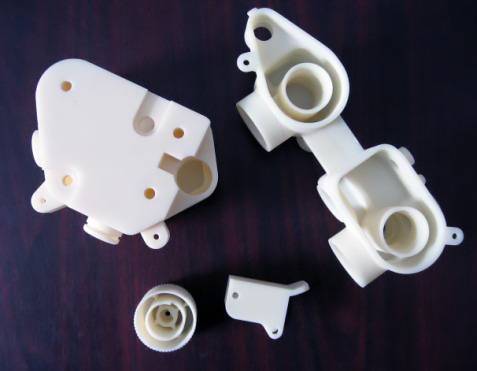
5) DMLS / Metal
Direct Metal Laser Sintering (DMLS) fuses powdered metal and alloy materials to produce metal parts. DMLS produces fully realized metal parts, including tools and end-use parts for a variety of industries.
Advantages
Metal 3D printing, with its advanced metals offering, is best utilized in highly complex and involved design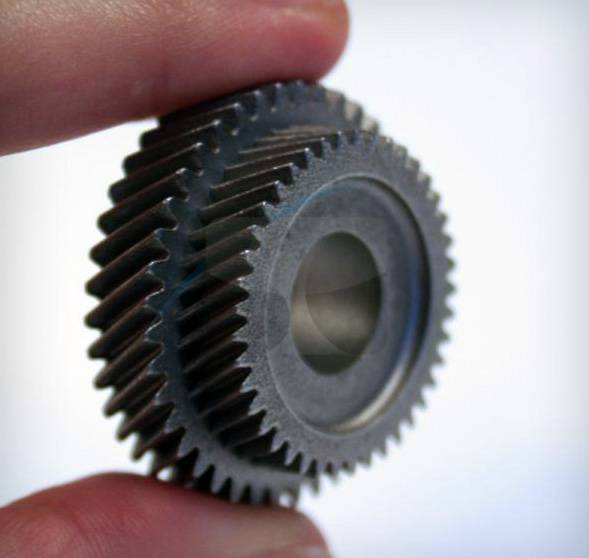
6) LS / SLS
Laser Sintering (LS) (also known as Selective Laser Sintering or SLS) uses a CO2 laser to heat and fuse durable
thermoplastic powder to build versatile parts with high elongation at break.
Advantages
LS production parts and prototypes provide lightweight, heat and chemical resistant solutions. SLS constructs 3D-printed parts from nylon (polyamide), which is strong, tough and durable
Material selection for 3D printing:
3D printed materials are very rich, including transparent, rubbery and biocompatible photopolymers, as well as tough, high performance thermoplastics and more. From fast, inexpensive concept modeling to detailed, super-realistic functional prototyping, through certification testing to agile, low-risk production, our team will help your designers and engineers solve material choice questions and make you design is successful at every stage. the following guides will help you select the perfect material based on a few important factors, like type, minimum thickness, texture and the all-important cost:
NYLON: (Polyamide)
Also called White, strong & flexible / Durable plastic / White plastic
Strong and flexible plastic, 1mm minimum wall thickness, Naturally white, but you can get it colored, About 10 layers per 1mm, Made from powder, Alumide = Polyamide + Aluminum, Interlocking, moving parts possible (chain)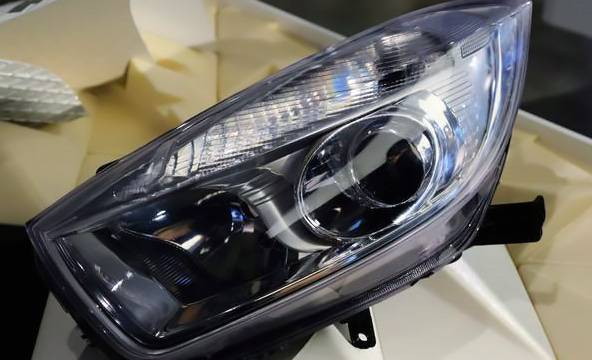
ABS: (Home printers)
Strong plastic like legos are, Made from spaghetti like filament, Many color options, About 3 layers per 1mm, 1mm minimum wall thickness
RESIN: (Multiple options)
Also called White-, Black-, Transparent detail / White detail resin / High detail-, Transparent-, Paintable Resin
Rigid and a bit delicate, Liquid Photopolymer cured with UV light, White, black & transparent most typical colors, About 10 layers per 1mm, 1mm minimum wall thickness
STAINLESS STEEL:
Very strong material
Made with multiple steps or from powder directly, Coloring options like gold and bronze plating, About 6 layers per 1mm
3mm minimum wall thickness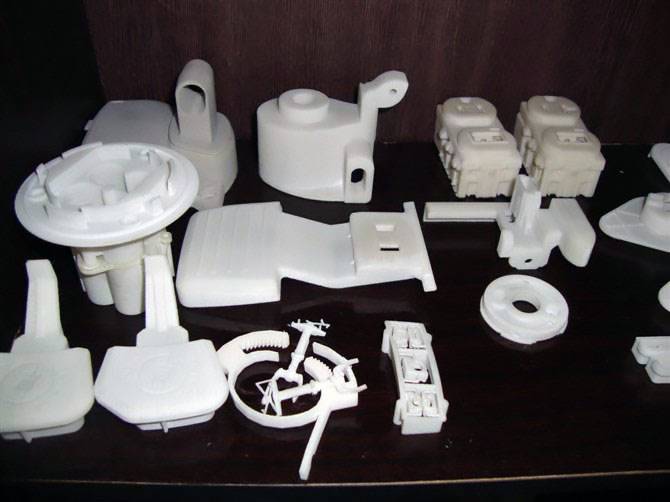
GOLD & SILVER:
Strong materials
Made from wax and then casted, About 10 layers per 1mm, 0.5mm minimum wall thickness
TITANIUM:
Strongest material
Direct metal laser sintering, About 30 layers per 1mm, 0.2mm minimum wall thickness
CERAMIC:
Rigid & delicate
First ceramic is printed then surface is glazed, Ceramic white, glaze typically white, About 6 layers per 1mm, 3mm minimum wall thickness
GYPSUM:
Also called Sandstone / Rainbow ceramics / Multicolor
Rigid & delicateMade from powder, Naturally white, but you can get it with colors, About 10 layers per 1mm, 2mm minimum wall thickness
Prototyping is an integral part of Design Thinking and User Experience design in general because it allows us to test our ideas quickly and improve on them in an equally timely fashion. The Institute of Design at Stanford (d.school) encourages a “bias towards action”, where building and testing is valued over thinking and meeting. However, why is prototyping so important in the design process? Moreover, how does it help you create human-centred design solutions? Before we start making prototypes to test our assumptions, we should get a closer understanding behind the what, how and why of prototyping at first.
we should know the important Role of Prototyping in Design, In some cases, with the help of a competent layout of the site, you can persuade visitors to certain actions. The prototype is an important draft design that precedes the development of the original design layout, and prototyping is a process designed to significantly reduce the time to develop a site.
Here are the reasons why prototyping is important in design:
The prototype gives the customer a complete idea of how the site will look like in the final result.
Prototyping allows you to streamline the design development process, focusing on important interface elements.
A site’s sketch is an irreplaceable thing if the client still does not fully understand what he expects from the site, what functions each page will carry. Careful planning at the prototyping stage makes it possible to avoid global changes in the finished layout.
At the prototyping stage, it is possible to identify unnecessary elements that are best abandoned.
This process significantly reduces the workload of the designer in developing the project, and thus saves the customer money.
Having a prototype in hand, the designer and customer more clearly represent the final result.
3D printing is gradually replacing traditional prototype making
Prototyping not only presents a strong visualisation of the design to understand the look and feel of the final product but it also helps the team to comprehend better why they are designing, what they are designing and for whom they are designing.
One of the most important aspect of product building process is to gather feedback. With prototyping you can collect reviews at every stage of developing the product — whether adding new features or redesigning parts of the product. Test what is working for the audience and what is not. Define goals with your team members, the management teams, external stakeholders, SMEs etc. and come to the best collective decision.
The first step toward turning your idea into reality is getting it down on paper. Draw your idea to help you visualize your prototype in greater detail. While it is possible to use a digital drawing program for this step, it may be more efficient to start on paper first. For one thing, in the early stages of creating your prototype, you’ll have a lot of ideas running through your mind and competing with each other. You’ll save time by drawing these rapidly on paper instead of investing time perfecting a digital drawing.
Keep a sketch notebook to provide documentation that can be used when submitting your patent. It also may come in handy if you ever need to defend your ownership of your intellectual property.
At some point it’s going to be invaluable to create a digital sketch of your idea. A standard digital design tool used by engineers and other professionals is AutoCAD, which enables them to make both 2-D and 3-D renderings.
A 3-D rendering lets you rotate and animate your virtual sketch, so you can visualize it from all angles. Tools such as NVIDIA Iray, CATIA Live Rendering and Quadro can further enable you to transform your 3-D drawing into a photorealistic prototype, helping you see approximately how a physical version of your design will look. If you’re not skilled with computer drawing and rendering tools, professional graphic designers or prototype designers can assist you with this step.
3D printing is replacing traditional prototyping
A prototype is an early sample, model, or version of a product built to test a concept or process, or used as something to copy or learn. It is a term used in a variety of environments, including semantics, design, electronics, and software programming. Prototypes are often used to evaluate new designs to improve the accuracy of system analysts and users
In terms of materials, the materials that will be used for the final product may be expensive or difficult to manufacture, so the prototype may be made of a different material than the final product. In some cases, the final production material itself may still be under development and not yet used in the prototype.