
Why Partner with FMS for Mold Design?
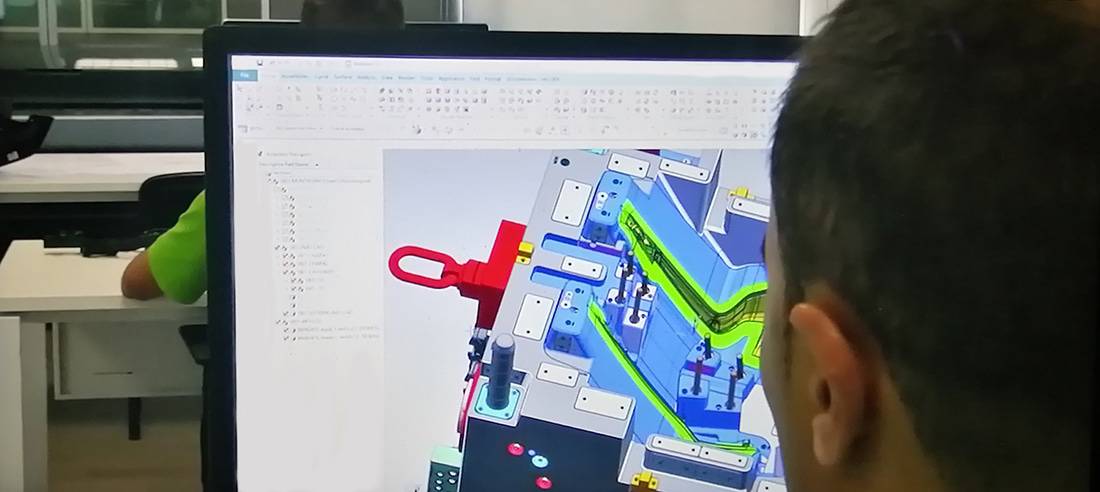
FMS Mold Design combines decades of profound engineering expertise with state-of-the-art CAD technology to deliver high-precision tooling solutions. Supported by advanced data conversion tools and high-speed connectivity, our technical infrastructure makes global communication effortless and highly secure.
Real-Time Collaborative Engineering
We have redefined remote collaboration. Through our cloud-connected design workflows, your team can engage in real-time design reviews with our engineers at any time. We function precisely like an internal extension of your own design department—a high-touch approach that drives exceptional client satisfaction worldwide.
 FMS Mold Design Team delivers high-value, high-precision engineering solutions by seamlessly combining technical expertise with cost-effective execution. Our comprehensive services include mold feasibility studies, complete mold design and detailing, plastic part design and development, and advanced solid modeling.
Our Expertise & Capacity
The FMS engineering team consists of 10 dedicated designers, each bringing a minimum of 15 years of hands-on experience in mold design, manufacturing, and injection molding. All team members possess robust CAD/CAM/CAE competencies.
Our Design Director, David Zhang, leverages nearly 30 years of industry experience and a strong academic background in engineering. He possesses a profound understanding of European and American mold design and manufacturing standards (HASCO, DME, etc.). This deep integration of “real-world” manufacturing knowledge ensures every design we deliver is fully optimized for production, reducing lead times and costly modifications.
A Collaborative Partnership
We operate as a seamless extension of our clients’ internal engineering teams. Thanks to our diverse portfolio and decades of cross-industry experience, we adapt quickly to unique project requirements. We work closely with your engineers to deliver reliable, high-quality designs that strictly align with your standard operating procedures.
Value-Added Services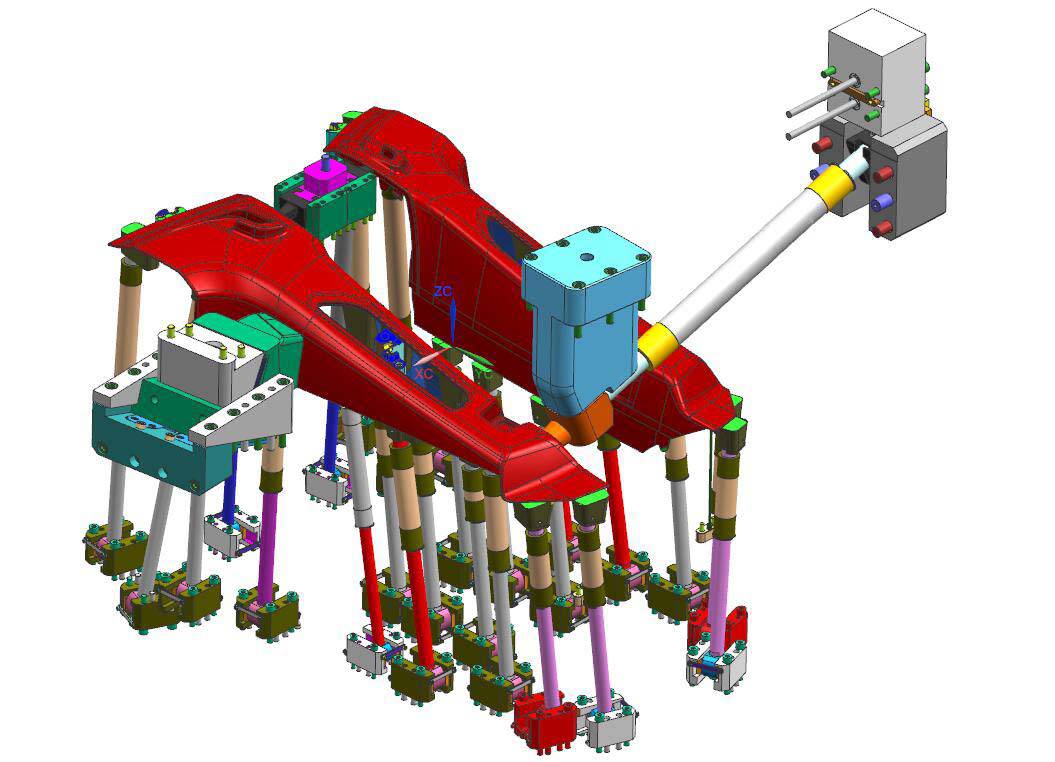
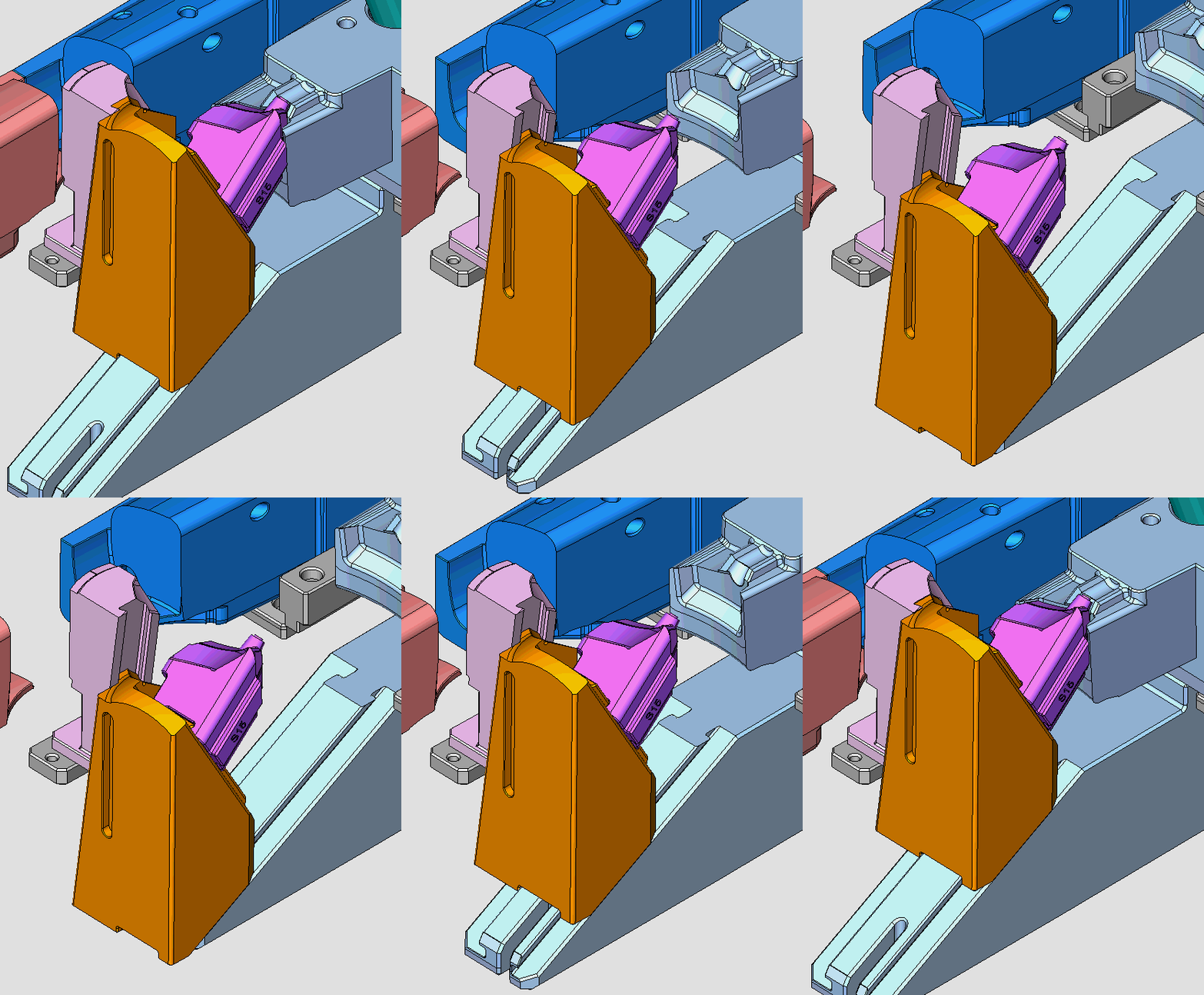
At FMS, our engineering team goes beyond standard mold design to deliver comprehensive, end-to-end technical support. Leveraging our deep industry expertise, we act as an extension of your team to provide specialized value-added services that optimize your production and fill internal capability gaps.
Our extended capabilities include:
Design for Manufacturing (DFM) and Mold Feasibility Studies / Offshore Mold Design and Third-Party Design Verification / On-Demand Engineering Resources (Additional Design Capacity)
Component Optimization Support (Assistance with Part Design) / Reverse Engineering
Design for manufacture /Mold Feasibility Studies / Designs for Off Shore Mold/Checking Designs / Additional Design Capacity /Assistance with Part Designs / Reverse Engineering
 Product Scope: Armed with a rich legacy in industrial design, our team delivers high-impact solutions across highly regulated and complex sectors. Our cross-industry footprint spans Medical Devices, Aerospace, Robotics, and Automotive, as well as Consumer Electronics, Smart Home Appliances, Workplace Technologies, and Commercial Toys. We seamlessly translate specialized technical requirements into market-ready product excellence.
Design & Engineering Flexibility
Every manufacturer operates on a unique ecosystem integrating mold design with production. At FMS, our engineering team seamlessly bridges design with advanced manufacturing methodologies. We provide fully customizable deliverables, ranging from 2D component drawings and CAD formats to precise 3D surfaces and comprehensive solid CAD data. Whether your project requires only a 2D assembly for rapid quoting or full solid CAD files with detailed hardware, cooling channels, and lifters, we adapt to your workflow. With robust data translation capabilities, we ensure seamless format compatibility—delivering exactly what you need, how you need it.
 Mold Design & Engineering Process
Robust mold design is the foundational element of a product’s manufacturing success. By engaging with our engineering team early in the design cycle, we help you optimize part geometry, mitigate manufacturing risks, and reduce overall tooling costs.
We understand that early-stage designs involve highly sensitive proprietary information. We treat your Intellectual Property (IP) with the strictest confidentiality, and we are fully prepared to execute a Non-Disclosure Agreement (NDA) before reviewing your concepts. Mutual trust is the cornerstone of our engineering partnerships.
Phase 1: RFQ & Initial Feasibility Assessment
To provide an accurate initial quotation and perform a preliminary Design for Manufacturing (DFM) review, we require the following baseline data:
• Product Geometry: Part drawings, 3D concept models, rough sketches, or physical prototypes.
• Application Environment: Product specifications, including mechanical performance requirements and operating conditions.
• Resin Specification: Intended base material (if predetermined).
• Production Volume: Estimated Annual Usage (EAU) and target production batch sizes to determine the appropriate tooling class (e.g., SPI Class 101 vs. Class 103).
During this phase, our engineering team collaborates with you to evaluate the part design for manufacturability, identifying opportunities to optimize cycle times, eliminate cosmetic defects, and minimize initial tooling investments.
Phase 2: Tooling Design & Engineering Validation
Upon successful acceptance of the quotation and project award, we require a comprehensive data package to initiate the formal mold design process:
• 2D Engineering Drawings: Fully dimensioned prints in .DWG or .DXF format.
• 3D CAD Data: Native CAD files or universal formats (.STEP, .IGES, or .X_T Parasolid).
• Material & Esthetics: Final confirmation of the raw material resin, grade, and color (Pantone/RAL or texture requirements).
• Critical-to-Quality (CTQ) Dimensions: A maximum of 5 key inspection measurements for quality control tracking.
• Project Governance: Designated primary engineering and commercial contacts for technical queries and milestone updates.
 How We Execute Mold Design
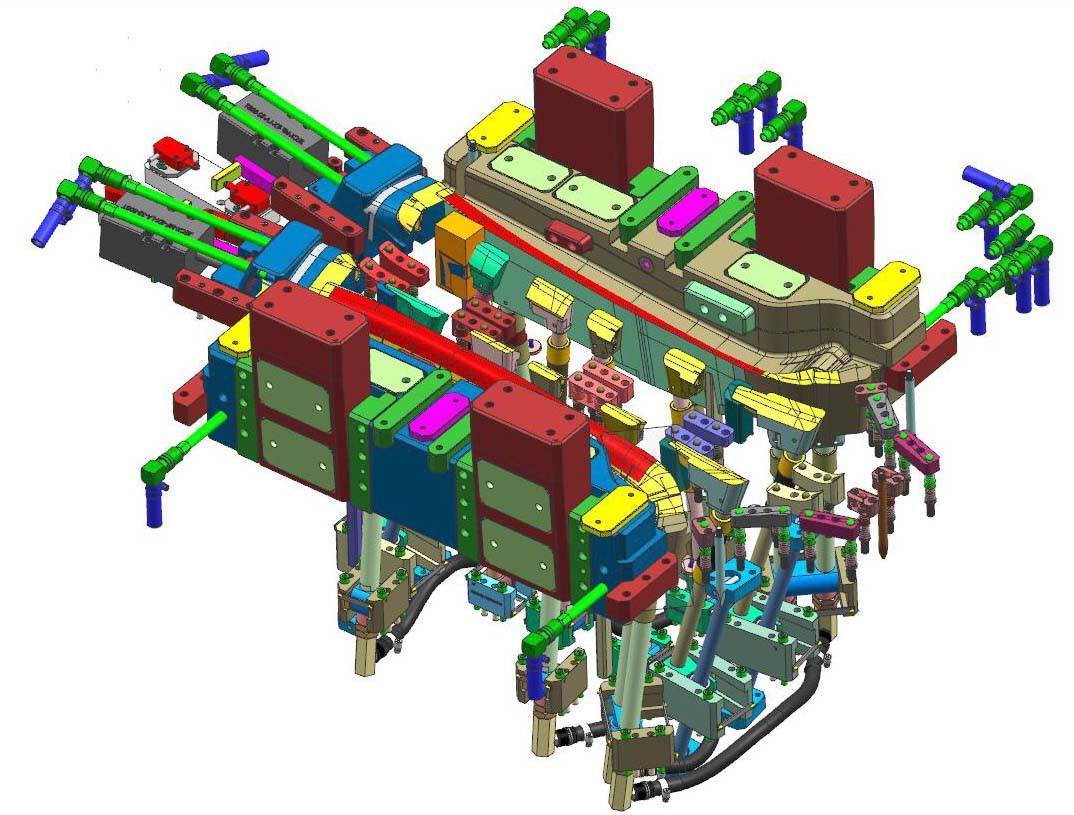
Our process begins by gathering all necessary project data to provide an accurate initial quotation. We then perform a comprehensive Design for Manufacturability (DFM) review to optimize the part for production and identify potential cost savings. Following this, we generate a detailed Mold Design Specification (MDS). This guide outlines all critical requirements, including tool specifications, design standards, steel types, standard components, resin selection, shrinkage allowances, and processing parameters.
This specification guide is shared across our design, project management, and production engineering teams to ensure absolute consistency from concept to final manufacturing. Throughout production, we enforce a strict quality control workflow to maintain seamless data integrity between our 3D design models and CNC programming.
Our Stage-Gate Mold Design Process:
1. Mold Specification & Requirement Definition
2. Preliminary Tool Schematic & Concept Layout
3. Schematic Review & Customer Approval
4. Full 3D CAD Design
5. Detailed 2D Engineering Drawings & Manufacturing Documentation
Practicality cannot be overlooked when designing manufacturing molds. This is one of the most important factors. If a mold isn’t practical to use, it can have severe ramifications and slow down the whole production process. This negates the point of using a mold in the first place to speed up production.
When creating a mold design, think carefully about its practical application. Ask yourself a variety of questions. Can you easily remove the product from the mold structure? Can the mold and product be used in large scale manufacturing? Is the mold material easily accessible? It is tempting to think purely about aesthetics and the design of the product itself. While this is important, the practicality must come first for injection molded items.
When creating a mold design, remember that someone else must then interpret your designs and create a working system. It is therefore important to be concise and clear. Omit nothing—any instruction, measurement, or footnote should be included. If you create an unclear mold design, the manufacturer or engineering service could waste time deciphering your work just to understand what you require. 3D drawings can have things included such as measurements and notes—be as detailed as possible and leave nothing to chance.
what can you do to improve mold designs, and why is the design important? The initial mold design is vital for the whole manufacturing process. Imagine this—you have designed a product mold and manufacturing has begun. As the process starts, it transpires that the molten plastic is not filling the mold properly, and the finished item is difficult to remove from the mold.
This causes bottlenecks in production and wastage of material and time. These are just some examples of the negative impact a poorly designed mold can have. It can also cause the creation of poor-quality products that could lead to poor sales and reduced business reputation.
It is important to get the mold design right. Mold designing is the most important aspect of this type of manufacturing. It is the main thing that a business should concentrate on—this is why it’s important to understand the nuances of mold design, and how to get it right.
The success of a mold manufacturer boils down to its ability to deliver high quality products at the shortest possible time and the lowest possible cost. good mold design best practices that will help you achieve these goals.
It is important to get the mold design right. Mold designing is the most important aspect of the mold manufacturing. It is the main thing that a business should concentrate on—this is why it’s important to understand the nuances of mold design, and how to get it right.
The importance of mold design on the productivity of a tool is often overlooked in the design of a mold. Several areas in the mold design exist where the molder must work with the mold builder in order to optimize the productivity of the mold. A good standard for mold productivity is saleable parts out of the press per hour. Cycle time and part quality are the critical aspects of saleable parts per hour. The areas of design found to be most important for increased productivity are the sprue bushing, runners and gates, hot manifold, venting, cooling, and ejection. While each of these items is specific to the mold being built, good design for each can contribute to improved part quality and optimum cycle time.
As a mold designer, you use computer-aided design (CAD) software to create plastic molds for manufacturing processes. Your job duties include designing molds, using CAD software and programs like Pro-E, Unigraphics Drawing, Solidworks, and AutoCAD, and visiting manufacturing facilities to make sure your mold designs work correctly. You can fulfill the majority of your responsibilities in the office, but a good mold designer frequents the manufacturing floor to inspect their product. The qualifications to start a career as a mold designer are an associate degree in plastics engineering technology or tool and manufacturing technology, and five to eight years of experience in the field. You need excellent problem-solving skills for this job as well.
Best practice design guides aim to help create complex shapes while:
• Allowing plastic to flow easily and uniformly around the part.
• Allowing the molds to open, and the part to be removed.
• Allowing the plastic to cool quickly and evenly, resulting in a stable and accurate part.
These general tips will improve part quality, mould ability and cycle time based on known implementation and characteristics of the injection molding process.
Note: Design guides are broken often and still result in successful molded parts.
To do achieve this careful consideration and understanding of many parameters
is needed including;
• The part’s mechanical requirements,
• Moldflow analysis
• Temperature control within the mold,
• Polymer selection
• Filler requirements
• Adjustment of part geometry.
With a good grasp of the many common mistakes you can make in designing injection molds, you should be able to create some great ones. Here are a few helpful tips to keep you on the right track with your next mold design:
Rethink Gate Removal
Consider how easily your mold’s produced parts will detach from the gate or gates once they’ve finished forming. Inconvenient or awkward placement of gates can potentially increase manufacturing costs down the line if products require extensive finishing after molding.
Improve Your Wall Design
Great wall design in injection molds mostly revolves around thickness. This principle applies most noticeably to the relative thickness of walls in the context of other walls on the same part. Too large of a discrepancy between wall thicknesses typically leads to complications and defects.
Mold Materials
High volume injection molds are almost exclusively made from tool steel. Tool steel comes in a variety of grades, varying on the Rockwell hardness scale and in terms of surface finishing.
P-20 tool steel is a common choice and best used with non-abrasive plastics. It is pre-hardened to around 32 on the Rockwell scale and can be polished to SPI B-2.
S-7 steel is a harder option, yielding the potential for hardening of up to 56 RC and high-luster polishing.
Stainless steel and H-13 steel make pristine polishing possible and can be hardened to 52 RC. These options are great for medical products, lenses, and PVC.
Aluminum is a great option for crafting inexpensive prototype molds. It boasts of quite high thermal conductivity in most of its variations.
Part Materials
A wide assortment of plastics provides plenty of choice for molding purposes, but some are much better suited to certain molds and materials than others.
ABS thermoplastic is excellent for high-impact applications. As an amorphous material, its melting point is flexible and slight modifications can further improve its toughness.
Polypropylene is the second most common commodity plastic in use today and works well for packaging purposes.
PVC provides excellent hardness and insulation relative to other polymers. It ranks third in the world of polymer production, serving purposes as widespread as tubing, signage, inflatables, and canvas thanks to the versatility of its flexible and rigid forms.
The importance of mold design on the productivity of a tool is often overlooked in the design of a mold. Several areas in the mold design exist where the molder must work with the mold builder in order to optimize the productivity of the mold. A good standard for mold productivity is saleable parts out of the press per hour. Cycle time and part quality are the critical aspects of saleable parts per hour. The areas of design found to be most important for increased productivity are the sprue bushing, runners and gates, hot manifold, venting, cooling, and ejection. While each of these items is specific to the mold being built, good design for each can contribute to improved part quality and optimum cycle time.