
Maybe you don’t understand when you look at this title, at first, Plastic materials fall into two basic types of process groups: Thermoset and Thermoplastic.
Most injection molding plastics are thermoplastics, thermoplastics can be Re-using materials by adding regrind , so recycling makes sense. you know, after A mass injection molding production, we will generate many runners and scrap parts, they can be reprocessed.
Also Thermoplastics fall into two distinctive molecular groups: amorphous and crystalline.
For Amorphous materials, when they are processed, they act like honey, but please don’t misunderstand, they never really melt, they just soften and are formed under pressure.
For Crystalline materials, compared to Amorphous materials, they are a little different, when they are processed, they remain a solid until a certain temperature is reached
But as long as the melt temperature is achieved, the materials flow very easily with very low viscosities.
As for Thermoset materials, they are like working with epoxy, their characteristics are quite different with the characteristics of Thermoplastic materials, The material cannot again be processed after completing a molding cycle in a mold. Examples of thermoset materials are Alkyd, Polyesters, Melamine and Phenolic.
Thermoplastic product Thermoset product

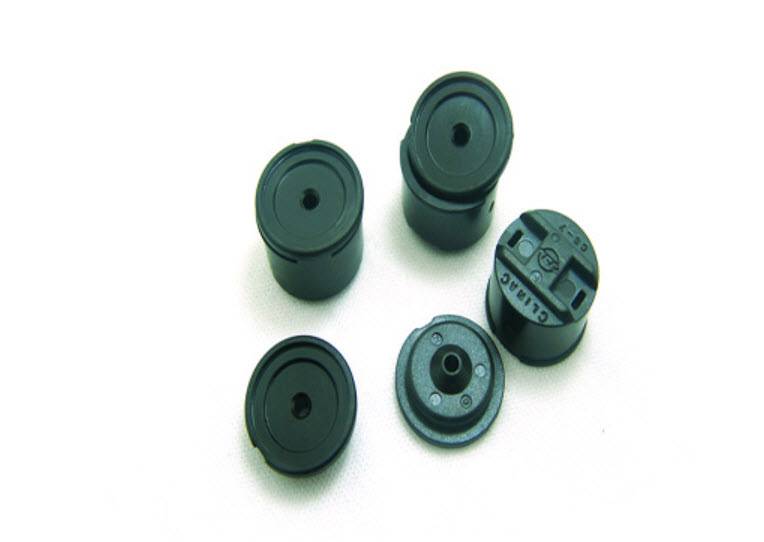
The global marketplace is competitive and continually changing. Companies working to stay at the forefront of their industry need to be flexible and able to react quickly to changes. They always need to be improving efficiency and quality without seeing a corresponding rise in costs. The conflict between quality and expense is a principal reason plastic has become an increasingly compelling material for the injection molding process.
A distinct advantage, the one most people recognize, of plastic injection molding is the reduced cost of raw materials. Plastics are cheaper to work with than metals, while still exhibiting many of the same characteristics. Plastic polymers can also have a wide range of properties that were historically metal characteristics like thermal conduction and chemical resistance
The cost-savings from plastics cascade throughout the whole process. Plastic materials are usually lighter than their metal counterparts. The reduced weight can be helpful for the end product, but the impact of reduced weight affects the whole manufacturing process. Reduced weight makes shipping and packaging cheaper than metal parts. It can make installation and use simpler for customers.
Not only are the raw materials cheaper, but the number of components per piece can be smaller as well. Some metal pieces are the result of several parts assembled into one final piece. Plastic molding can sometimes construct that same section as one whole piece with no independently produced segments. This can mean building fewer components with a less costly material than metal.
Plastics are not only lighter but are also faster to work with. Plastic molding can have a quicker cycle time than metal molding. A speedier cycle time means you can get to market faster. It also suggests that adjustments are easier to make. If the demands of the marketplace change then product pivoting can be faster with plastic.
Plastic molding is not the answer to all molding projects. There are compelling reasons to use metal as a raw material. In some cases, plastics cannot provide the characteristics needed for a particular product. However, the number of projects where this is true is not as significant as common knowledge suggests and that gap is shrinking with every year.
Developments in recent years, coupled with upcoming developments in plastics injection, make plastic a real contender for a vast range of molding possibilities. Reduced weight, reduced cost, single component molds, and the increasing capabilities of polymers means plastic injection molding can improve many existing processes. Considering plastic injection molding over metal injection molding for future and current products can mean significant cost savings.
One of the main benefits of injected molded parts is that they can be created by combining multiple materials together. Whether manufacturers and customers want to use two or more colors in a part or want to put two plastics together with different desirable characteristics, injection molding enables them to adapt their materials to their design.
This material selection, tight control over machine parameters and mold design mean that the parts created will be strong and of a high quality, giving customers the best value for their money. By selecting a manufacturer with a wide-ranging portfolio and process expertise, customers can be sure of getting a cost-effective component created by injection molding.
I really like your site…your suggestion is correct!
I agree your opinion,But plastic is easy to cause environmental problems