
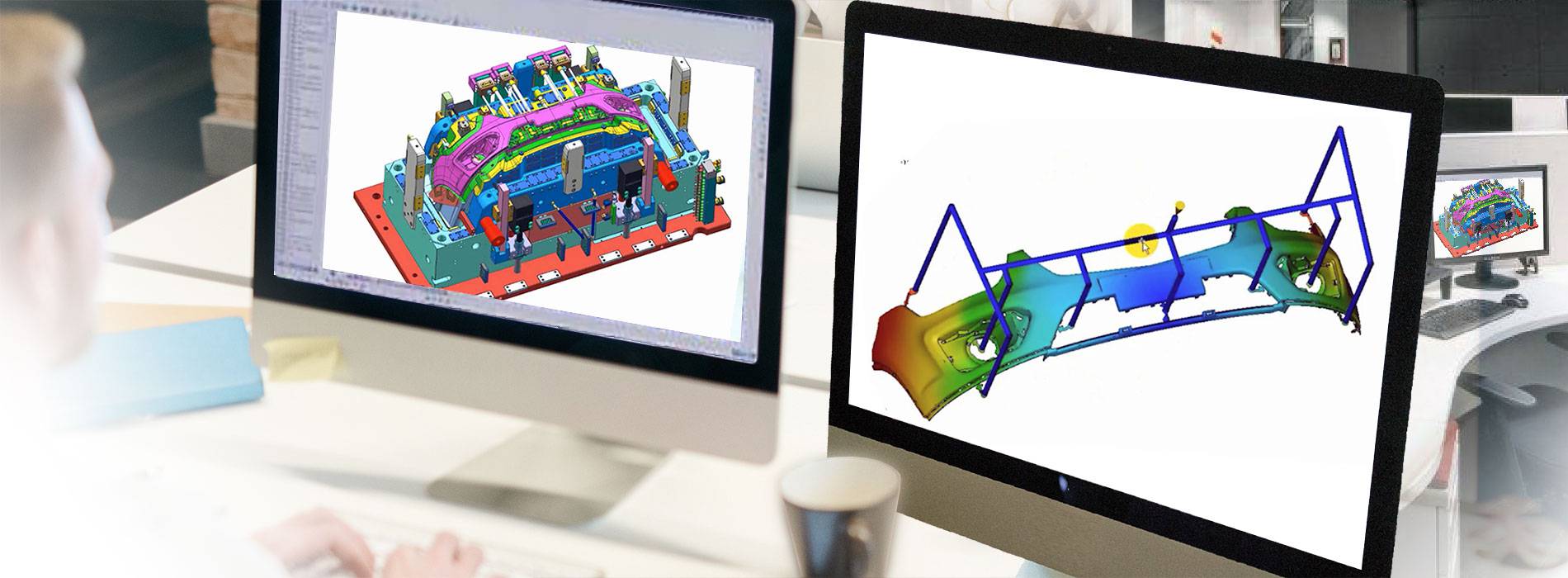
FMS Mold flow Analysis: Engineering Success Across the Life cycle
At FMS, mold flow analysis is driven by decades of hands-on manufacturing expertise, not just software operation. We translate data into actionable insights—optimizing your mold design from the ground up and accurately predicting potential production risks before steel is cut. Beyond supporting our turnkey projects, we offer this advanced simulation as a standalone engineering service.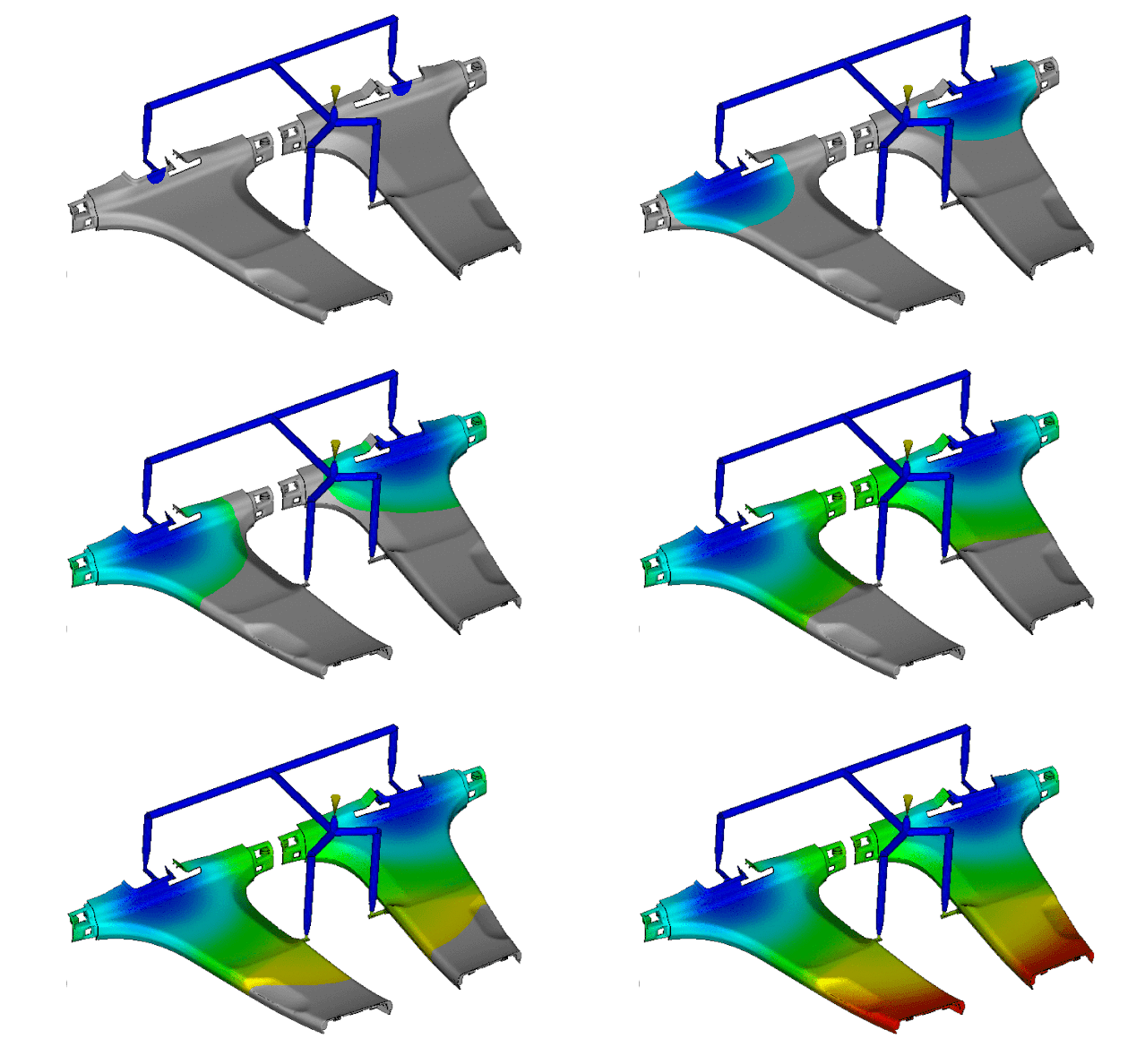
 Seamless Virtual Collaboration
Through our cloud-based collaborative platform, our engineering team integrates seamlessly with yours. Review analysis reports, discuss optimizations, and troubleshoot in real time—giving you the precise support of an in-house engineering department, no matter the distance.
First-rate Mold Solution Co., Ltd. delivers high-precision engineering services that seamlessly balance premium quality with cost efficiency. By leveraging advanced CAE mold flow simulation, our engineering team optimizes complex injection molding designs long before tooling begins.
This data-driven approach allows us to accurately predict polymer behavior, assess material options, and refine process parameters. Through detailed simulation, we analyze critical variables—including optimal gate location, runner efficiency, weld lines, air traps, shear stress, and clamping force—to eliminate potential molding defects proactively. By mitigating risks during the design phase, we ensure accelerated time-to-market and optimized production reliability for our clients.
 For different molds, our molding analysis engineers often do:
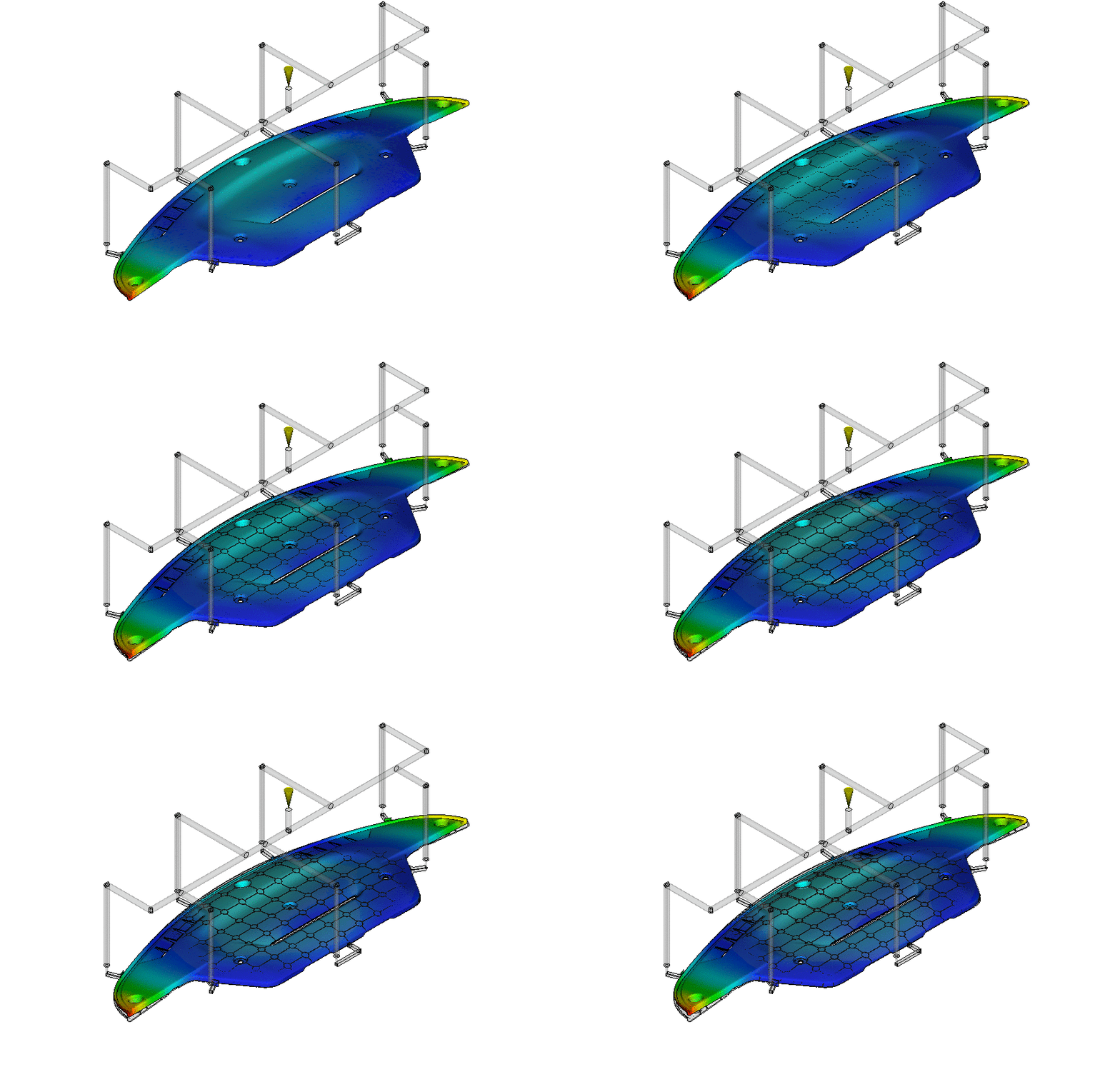
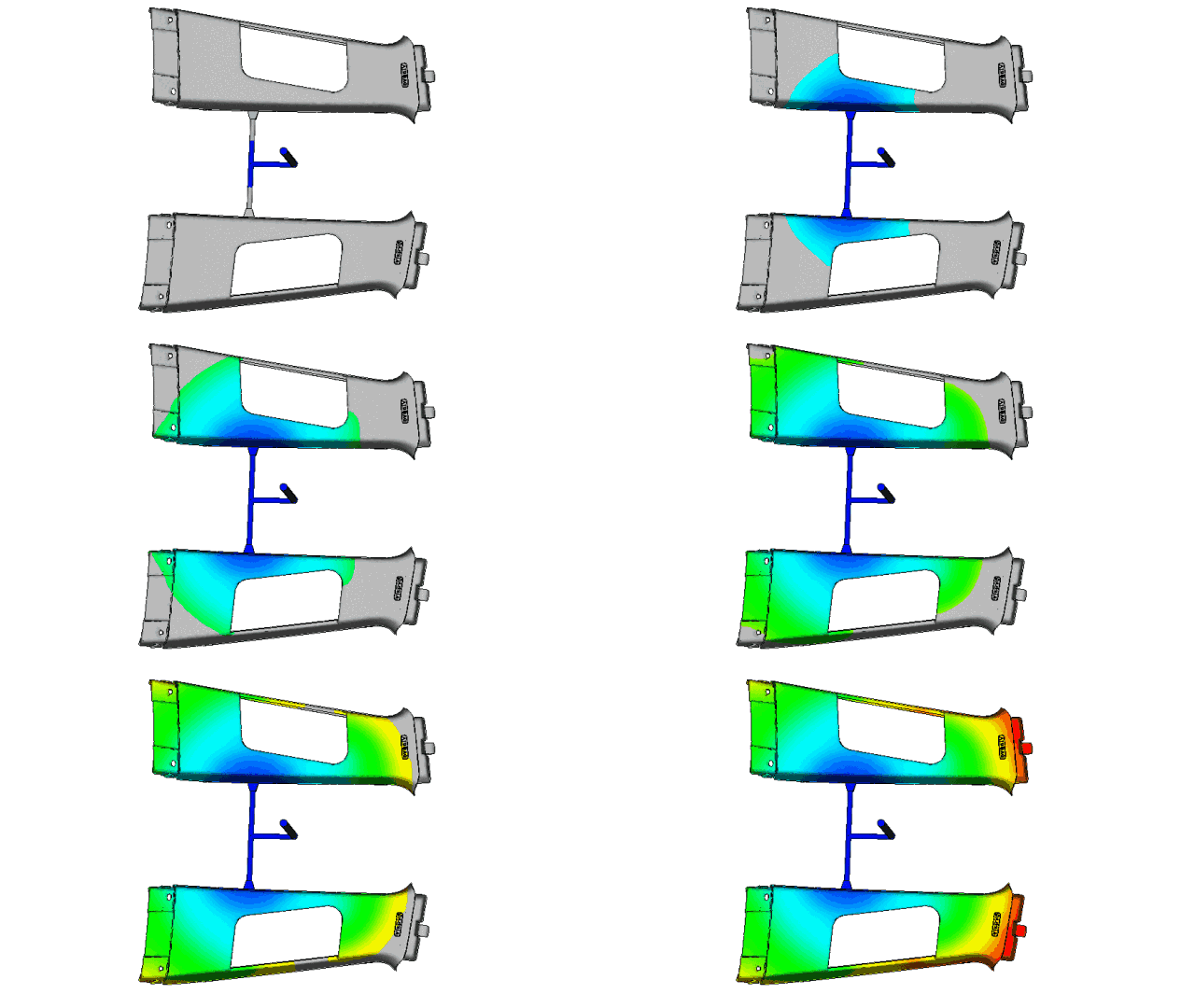
1) Flow analysis
Predict product filled if hysteresis, whether playing, filling is balanced, with lines and pack wind position, filling the required injection pressure / clamping force sizes, into the plastic location / number / size are reasonable.
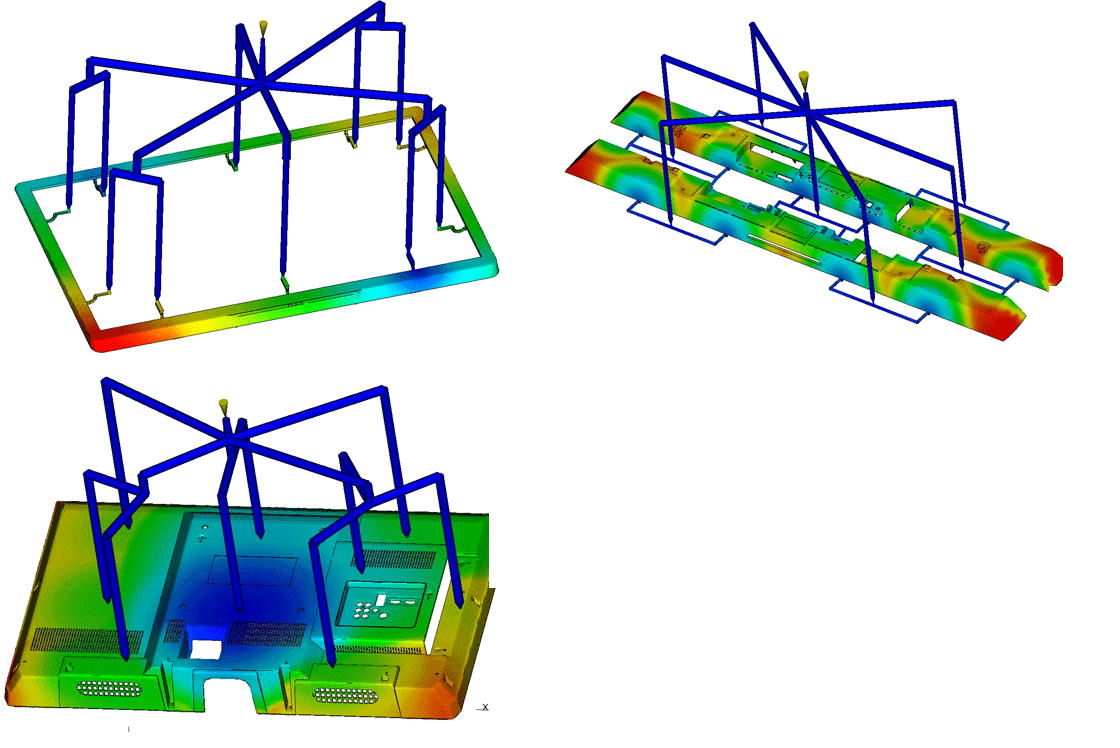
2) Runner balance analysis
For a multi-cavity mold cavity or family, can be automatically balanced runner system analysis, through the analysis, we can recommend the flow channel dimensions, how much of the flow channel dimensions, several cavities filled at the same time, to achieve flow balance.
3) Gate location analysis
Moldflow gate location analysis which is called Gate location Analysis, whose role is to automatically analyze the best gate location. When the model already exists in one or more of the gate, and then manually set the gate already exists, the system will automatically analyze the best location for the other gate.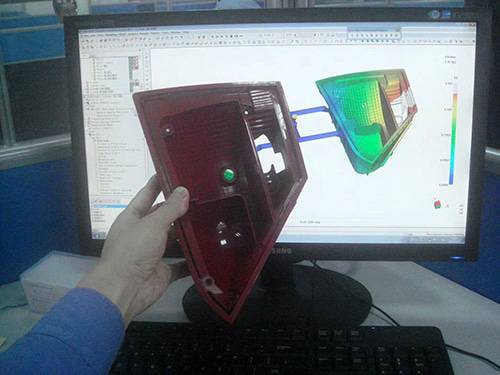
4) Cooling analysis
Prediction mold cooling water layout is reasonable, what areas need to be strengthened cooling, determine the thickness of product design is reasonable to predict molding cycles.
5) Warpage analysis
Predict product deformation and X, Y direction shrinkage values, combined with the adjustment of water / hold pressure parameters / methods into the plastic deformation and thus provide the smallest possible options before making the mold deformation
6) Shrinkage analysis
Analysis of the materials forming the product, the molding shrinkage fit put the number, and the volume contraction, if sink mark .
7) Gas-assisted analysis
Predict gas-assisted molding gas penetration distance, penetration effect, the best location and airway inlet arrangement to assess the product gas assisted molding shrinkage and deformation, etc.
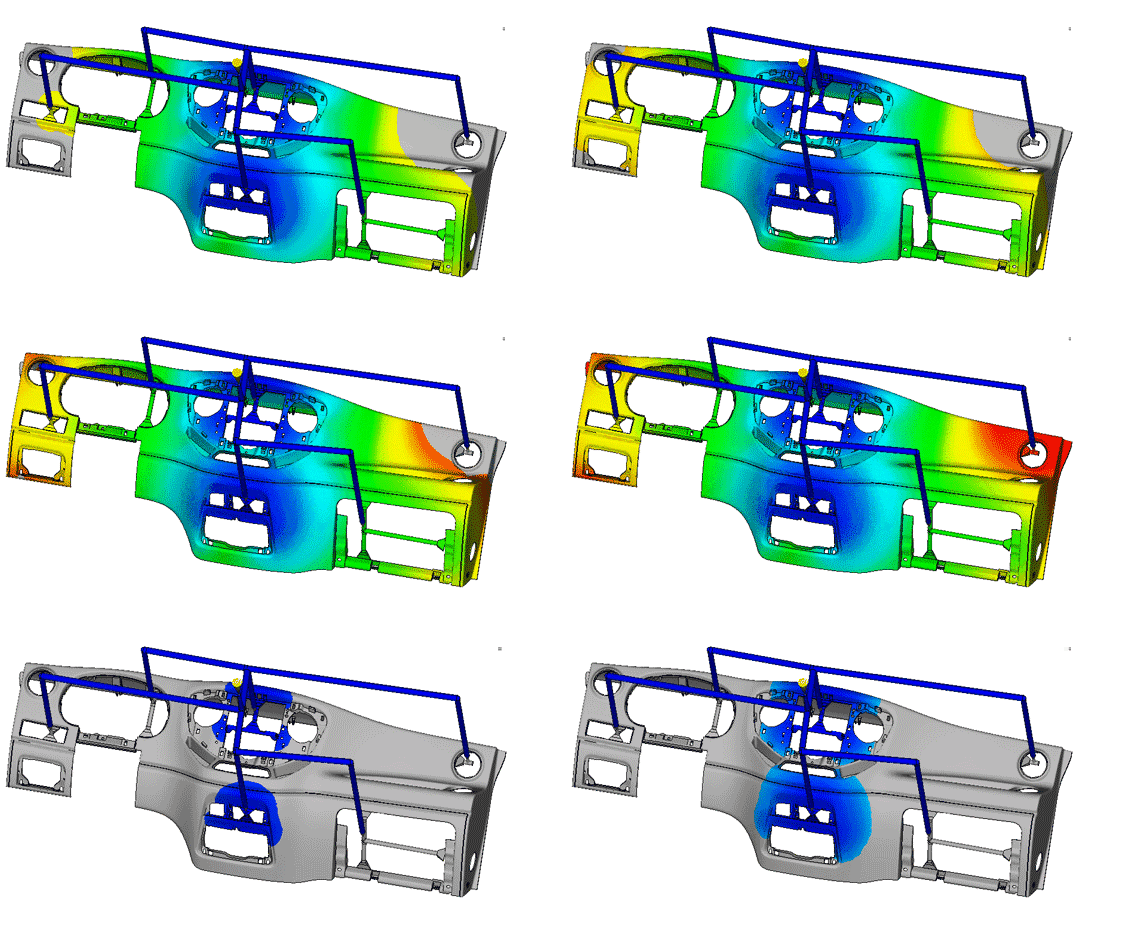 8) Core shift analysis
Mold core offset forecast trends and offset by correcting the mold design, reduce the process of filling the core of the impact strength of the weak, extended tool life.
9) Stress Analysis
Predicted residual stress distribution molded product and size.
10) Fiber orientation Analysis
It is to analyze and control the fiber orientation of the plastic, injection-molded parts in order to reduce shrinkage, warpage , and the floating fibers.
Many different types of fibers, including glass fibers, carbon fibers, silicon carbide fibers, synthetic fibers, boron fibers and the like, the simulation can be based on different fibers we percentage simulation. Fibers can improve the material properties are as follows:
1) over time, reducing material plastic deformation occurs and stress relaxation / 2) improve the flexural strengt / 3) Improve the tensile strength / 4) Improved heat distortion temperature
5) Improving the dimensional stability of the mixture
11) Overmolding analysis
Two-color molding molding products can be analyzed flows, warping and bonding situation.
12) Microchip Encapsulation IC chip package analysis
Predict chip package, thermosetting plastics in the mold cavity flow and curing conditions, flows on the impact of gold wire and pin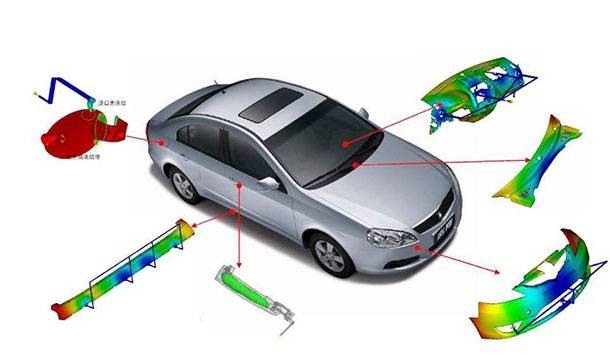
13) Underfill analysis
Optimization of thermosetting material molding conditions and filling dispensing model simulations predict various forms (I, L or … form) predicted injection pressure and clamping force of wind and demand forecasting package combines line position.
14) Birefringence Prediction
After forming the refractive index of refractive index difference can be manifested in the form tensor. General 0.1 The results for the optical parts is too large, it should be by adjusting the gate position, adjusting the process conditions or modify the product structure to achieve low residual stress. Asymmetric tensor indicate the occurrence of birefringence, the more serious the description of asymmetric birefringence more serious, actually see the “double word” the more obvious
For efficient material flow and to reduce production costs, Product Designers depend heavily on mold flow analysis. They can effectively remove flaws in mold design by incorporating methods to make any actual prototype, which, as a result, saves material, design time, and production cost. Aside from this, the end users working on a small scale who can’t afford actual product testing get significant gains from it.
In addition, the mold flow analysis system prevents typical manufacturing problems that could damage product quality through warping, shrinkage, and weld lines. You can execute a complete molding process simulation followed by parameter adjustments to reach optimal outcomes. The predictive analysis decreases the probability of expensive redesigns and time-consuming delays.
Several applications demand absolute precision because minor product defects may result in equipment breakdowns. The analysis of mold flow allows industrialists to guarantee their products fulfill strict quality specifications. Additionally, it improves product reliability alongside operational performance and facilitates better collaboration.
Furthermore, the analysis promotes sustainability, since items are produced using automatic design activity, and aims to minimize material waste and energy consumption. This computational flow analysis enables experts to acquire resource optimization alongside production efficiency gains.
There are multiple benefits to Molding analysis. They include:
Resolution of wall thickness complications
Gate location optimization
Mold cavities fill consistently and uniformly
Discover defects in design geometry
Prevent expensive tooling errors and rework
Enhance manufacturability
Reduce time to market
Boost efficiency and quality
Reveals potential visual defects, including air traps, sink marks and weld lines
Assess different material options, pre-production
Provides data to support design changes
The following factors can help you decide whether Molding analysis should be used for your application:
PRODUCT GEOMETRY
The more complex the product geometry, the more benefit you’ll receive from MFA. Why? When the product’s design is more intricate, the flow is less predictable. It’s easier to predict how a simple mold design would fill, for example.
TOLERANCE REQUIREMENTS
Tight tolerances are an anathema to plastic injection mold designers anyway. Software that can analyze and demonstrate whether a product will meet spec prior to cutting a tool is a godsend.
PROJECT SCOPE
Clearly a project would have to meet certain financial requirements to warrant the investment of resources — time, software and talent — to run the tests.
UNUSUAL MATERIALS
Engineers know the fill patterns of standard materials but others — especially materials that include fillers — benefit from up-front analysis.
Molding analysis is conducted before tooling production launches. (It wouldn’t make much sense to use it afterward!) Using a selected gate location and material properties, the software is able to predict how the part will fill during molding. Different data points can be assessed, including pressure, fill time and melt temperature. Doing so allows for optimization of the process before tool manufacturing ever begins.
Mold Flow Analysis (MFA) is a software that is used to simulate the flow of molten plastic material into the injection mold crate, allowing the manufacturer to elevate mold and part design in order to create products that are of the highest quality.
The MFA is quite the handy software that not only increases the chances of creating the best products that the molding process can produce but it also gives you a preview of what and how your end product will look and behave. This insight allows you the space and time to make adjustments beforehand in order to reduce wastage and create the best quality that the machine and the technology can manage.
The benefits of using mold flow analysis are unlimited, and only the surface has been scratched so far. They simply add a level of efficiency that is unrivaled, and this is why it has become a very important tool of manufacturing that every injection molding plant makes use of to increase its productivity. Getting the chance to simulate everything beforehand allows the luxury to make changes on the spot, and this leads to saving costs, time, and labor.
The mold flow analysis has brought a lot of benefits to the injection molding model. There is a reason why many manufacturers in the injection molding industry are turning to MFA in large numbers. The following are some of the benefits that are associated with the MFA software.
Most of the optimization is done through tooling, but in the event that these tools are not available, the only way to optimize the injection molding process is through the use of MFA software. The software will be able to point out the following important aspects of the production process.
The selection of raw materials that are ideal for a particular process
The determination of wall thickness and thinness and the ironing out of issues that may crop up from either
The prediction of and dealing with structural concerns
The control of weld lines
The rectification of structural and residual stress issues
All the filling concerns that are associated with the injection molding process.
The functionality of the end-product
The smoothening out of defective problems like sink marks and the likes
It’s important to note that top-level moldfill analyses are expensive and require highly skilled personnel to run them and interpret their results, and not every supplier that claims to have the capability can actually deliver. That said, don’t make a moldfill decision based simply on cost. Work with an experienced injection molder to discuss the complex geometries, tight tolerances and other intricacies of your project to determine the best moldfill option for your needs.